-
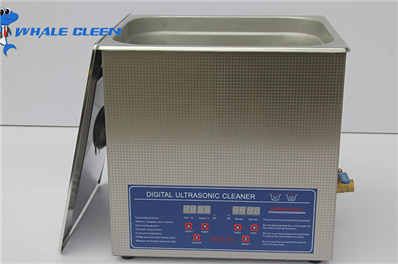 Ultrasonic Cleaning Machines: A Robust Solution for Overcoming Cleaning Challenges in Food Packaging Equipment
In the realm of food packaging, maintaining the cleanliness and hygiene of equipment is paramount for ensuring product quality and production safety. Traditional cleaning methods often face challenges when dealing with intricate food packaging machinery.
-
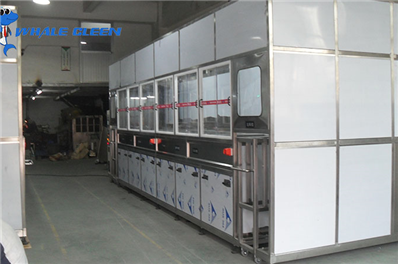 Metal Tank Cleaning: Ultrasonic Technology for a Safe Storage Environment
Metal tanks are vital components in various industries for storing liquids, gases, and solids. Over time, the interior surfaces of these tanks accumulate deposits, residues, and contaminants, compromising their efficiency and potentially posing safety haz
-
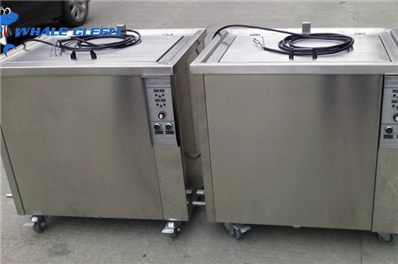 Ultrasonic Cleaning Technology Ensures Quality and Safety of Metal Graphite Chemical Equipment
Cleaning metal graphite chemical equipment plays a critical role in ensuring production quality and safety. Over time, such equipment tends to accumulate chemical residue and deposits on its surfaces, which not only impairs its performance but also poses
-
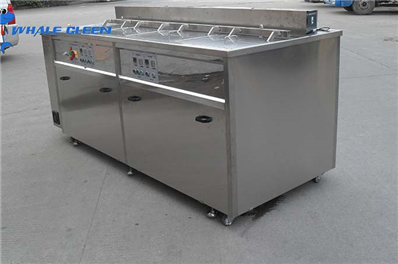 The concept and significance of industrial cleaning
“Cleaning” is civilized labor. From ancient human evolution, up to modern people's life and production practice, “Cleaning” this kind of unconscious, or involuntary labor, has always been accompanied by human development. With the progress of society,
-
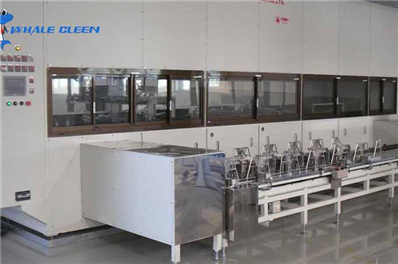 Same Ultrasonic Cleaning, Why Are Some Aerospace Fastener Yield Rates So Much Higher?
In aerospace manufacturing, few quality metrics are as unforgiving as fastener cleanliness. A single micro-fastener — a titanium alloy bolt, a high-strength steel screw, a threaded insert — can carry cutting fluids, lapping compounds, or microscopic metal
-
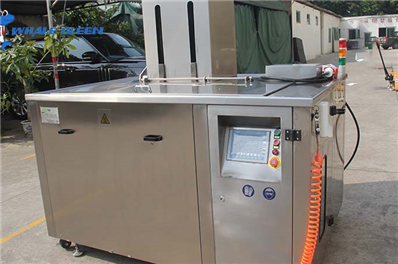 How Ultrasonic Cleaning Reaches the Thread Roots of Micro-Fasteners for Deep Chip and Oil Removal
In precision manufacturing, few challenges are as persistent—or as costly—as cleaning micro-fasteners. Screws, bolts, and threaded inserts with diameters under M2 feature intricate geometries: narrow thread valleys, blind holes, and sharp internal corners
-
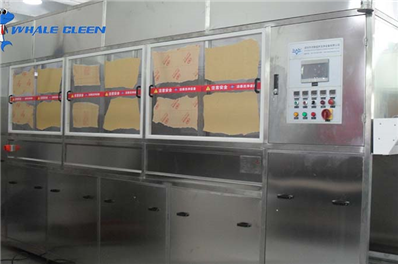 Ultrasonic Cleaning Machine: Solving the Batch Cleanliness Inconsistency Crisis in Aerospace Fastener Manufacturing
In aerospace manufacturing, a single contaminated fastener can compromise an entire assembly. Threaded surfaces trap machining oils, metal chips, and microscopic particulates that, if not completely removed, directly affect torque values, joint integrity,
-
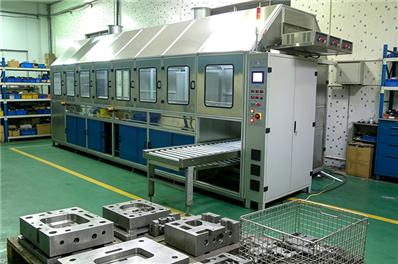 No Harsh Chemicals? How to Achieve Micron-Level Cleanliness for Nickel-Plated Substrates
You've dialed in the nickel plating bath chemistry. The temperature is right, the current density is optimized, and the dwell time is precisely controlled. Yet the plating still blisters. The cross-hatch test fails. The adhesion just isn't there.T
-
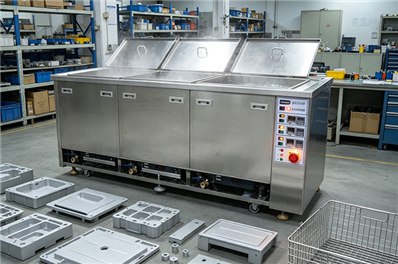 Ultrasonic Electrolytic Cleaning for Molds: Eliminate Gas Coke and Toner Residue That Causes Yellowing and Flow Marks
The Persistent Mold Contamination Problem In injection molding, the mold is the heart of production. But over time, even the best-maintained molds accumulate stubborn contaminants that no amount of wiping or solvent dipping can fully remove. Two of the
-
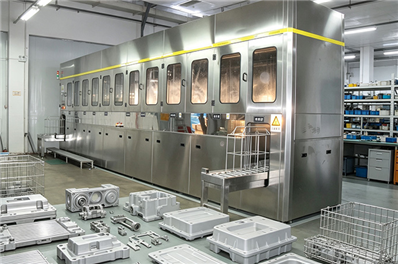 How Many Types of Electroplating Hardware Blanks Can One Ultrasonic Cleaning Machine Handle?
Walk into any hardware electroplating facility, and you will see a staggering variety of workpieces moving through the production line. Stamped brackets, machined housings, threaded fasteners, die-cast components, precision turned parts—each with its own
-
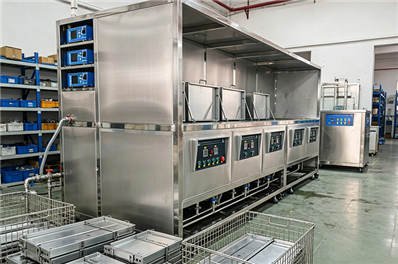 Ultrasonic Cleaning Machine: The Only Way to Eliminate Cutting Oil Sludge from Deep Grooves and Restore Plating Adhesion
For metal finishing shops and precision component manufacturers, few quality failures are as financially devastating as plating rejection caused by inadequate pre-cleaning.The scenario is painfully familiar. A batch of precision-machined components—hydrau
-
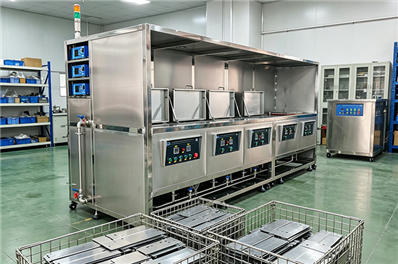 Ultrasonic Cleaning Machine: Breaking the Production Bottleneck When Piles of Oily, Chip-Covered Parts Stall Your Shop Floor
Walk into almost any machining workshop, and you will see the same scene: pallets stacked high with freshly machined parts, their surfaces glistening with cutting oil and clinging to metal chips, grinding dust, and microscopic debris. The parts are ready